Akathisia

Last Updated December 20th, 2021
How and when is it caused?
A state of motor restlessness or movement disorder with the inability to stay still is called akathisia. The word akathisia means “inability to sit” in Greek. This term was first medically used by Ladislav Haskovec, who was a neuropsychiatrist.
He believed that these symptoms are caused by psychological disorders. Adler et al who was the student of Ladislav Haskovec later found out that it was a complication of Parkinson disease. Finally, in 1983, it was found that akathisia was the side effect of antipsychotic and neuroleptic therapy. The symptoms are acute and generally subside after withdrawing the medication.
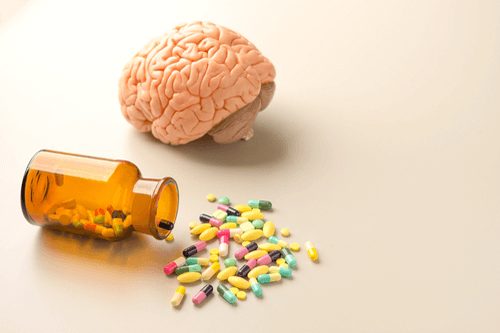
It has not been found what actually causes this condition, but it is understood that certain antipsychotic medications can cause them. Medications used to treat bipolar disorder, schizophrenia, and severe depression can cause these symptoms.
There is one theory that suggests that akathisia is caused when the antipsychotic medications block the areas of the brain that is controlled by dopamine. It is believed that dopamine controls the movement and when this is blocked, a person may experience uncontrollable movements. This theory is acceptable in the case of antipsychotic medications, but there are other medications that cause akathisia and this theory does not support their involvement.
Types of Akathisia
They are generally divided into four types but have similar symptoms. The only difference between these four types depends mainly on when they occur. The different types include:
Acute akathisia
This type occurs shortly after starting the antipsychotic medications. They may begin as early as within a few hours after starting the medication and can last up to six months.
Tardive akathisia
This type occurs after several months or even after several years from the time a person begins antipsychotic medications.
Chronic akathisia
If the symptoms last for more than six months, they are considered to be chronic.
Withdrawal akathisia
This type usually occurs after withdrawing certain controlled substances such as cocaine and opiates. It may also occur when you withdraw from antidepressants and antipsychotics.
What causes akathisia?
Antipsychotic drugs
Older antipsychotic drugs are the biggest cause of akathisia symptoms. People using these drugs have around 50-80% chances of acquiring these symptoms. Antidepressants medications too can cause this condition. Higher the strength of the medication and greater is the chance of acquiring this condition. It is believed that these medications block a chemical called dopamine that controls movements and this leads to akathisia.
Neuroleptic drugs
 People using the neuroleptic drugs that are more modern antipsychotics have around 30-40% of chances of acquiring akathisia.
Antidepressants
Some of the common antidepressants include Celexa, Paxil, Zoloft, and Prozac. There is a 20% chance of acquiring the symptoms if you are taking these drugs. Since these drugs increase serotonin levels, it is believed that it may cause these symptoms.
Drug withdrawal
Certain drugs that you were using for a long-term and then abruptly stop it can cause you to have akathisia symptoms. These drugs include barbiturates, opioids, cocaine, as well as a benzodiazepine. The symptoms may occur after several weeks after stopping these drugs.
Anti-migraine and anti-nausea medications
There is a very minimal chance of acquiring the symptoms if you are on long-term anti-migraine or anti-nausea medications. The symptoms may occur even after several months after stopping the medication.
Certain medical conditions
Parkinson disease, encephalitis, as well as traumatic brain injury are some of the medical conditions that can cause akathisia.
Signs & Symptoms of Akathisia
The condition generally affects cognitive functions as well as motor control. Movement of the arms, hands, legs, as well as the trunk, is affected. Some of the common signs and symptoms include:
- Nervousness and agitation.
- Unable to keep oneself still with a constant urge to move especially the hands, arms, and legs. Movement of the legs is similar to restless leg syndrome.
- Repetitive movements of certain body parts such as rocking, shuffling, crossing the legs, as well as fidgeting
- Violent behavior and agitation
- Behavior problems that are attributed to akathisia-induced impulsivity.
- Anxiety and depression, which may lead to stress and suicidal thoughts.
- Feeling of apprehension.
- Loss of appetite associated with nausea, which may cause weight loss.
- Impaired cognition.
- The above symptoms may worsen the psychotic symptoms that can even lead a person to commit a crime.
Akathisia versus Tardive dyskinesia
Tardive dyskinesia and akathisia have similar symptoms with a slight difference. In the case of akathisia, there are abnormal movements of different parts of the body, which is voluntary and you generally have control over them. These movements are voluntarily done to relieve the urge. On the other hand, tardive dyskinesia is associated with involuntary movements. You do not have control over them and these are repetitive movements. It is believed that in rare cases akathisia can lead to tardive dyskinesia.
Treatment for akathisia
Diagnosing the symptoms early holds the key here. In many cases, the patient may not be able to identify the symptom unless it is noticed by others. The patient may not be able to explain their symptoms if it is related to psychological problems. A person may feel anxious and restless and feel that this is common with the underlying medical condition such as anxiety and depression. Generally, the Barnes Akathisia Rating Scale is used to detect and assess the symptoms.
The treatment for this disorder mainly depends on the cause. If the symptoms are related to the addition of a medication, the doctor would ask you to stop the medication or alter the dosage to see if there is any difference. If the symptoms are related to an increase in the dosage of a medication, the doctor needs to immediately adjust the dosage accordingly.
The bright side related to akathisia is that the symptoms are reversible. Diagnosing and treating the symptoms can reverse this condition. Acute symptoms generally fade out by stopping the medication whereas chronic symptoms require treating and managing the symptoms appropriately. According to a study published by American Journal of Psychiatry, it was found that 75% of cancer patients stated that they hardly realized that they were affected by this condition and would have never reported it to the doctor if they were not involved in this study.
Management of akathisia
Speak to your doctor and update your symptoms regularly
 It is important to keep your doctor updated about the response towards the addition of medication or increase in dosage. Any small change can be assessed by your doctor and determine if it is related to akathisia. Major psychological symptoms such as depression and suicidal thoughts should be immediately addressed with your doctor.
Your doctor would decrease the dosage or change the medication to a different one in such a scenario. Monitoring the effects of medication becomes important from this point of time after the onset of symptoms. In some cases, few medications cannot be stopped immediately. In such a scenario, your doctor would concentrate on managing the symptoms associated with these medications such as controlling blood pressure as well as stabilizing your mood.
Prevent depression and anxiety
Several natural remedies can be implemented to reduce the symptoms associated with mood-related conditions and these include:
- Cognitive behavioral therapy – You can contact your doctor or counselor, who can provide this therapy. This therapy is useful to find and eliminate destructive thoughts that can lead to abnormal behaviors. This therapy teaches you to stay open-minded to suggestions, being honest about feelings, as well as gaining support from your loved ones.
- Regulate your hormones by eating a healthy diet – Since hormone production can affect several functions in the body such as neurotransmitter functions, mood stabilizing, etc, it is important to eat healthy to have adequate hormone production. Coconut, raw dairy products, vegetables and fruits, legumes, etc can help you fight inflammation, as well as reduce anxiety and depression.
- Exercise regularly to stay in shape – If you are not able to hit the gym, try taking a brisk walk for about 30 minutes daily, which will boost your mood and avoid conflicting thoughts.
- Follow a sleeping pattern and make sure to sleep for at least 7-8 hours per day.
- Try meditation and yoga.
- Avoid common triggers such as caffeine, sugary beverages, processed foods, as well as alcohol.
- Interact socially with outsiders by joining a social group and share your thoughts with others. This will help you get the important inputs from others.
- Recreational drugs, alcohol use, and tobacco use should be strictly avoided at any cost.
- Natural antidepressant such as omega-3 supplements can be tried to reduce the symptoms.
Stress management
Managing stress is the best natural treatment available for akathisia. You may need to take antipsychotic medications due to severe depression and stress. Since these medications can cause akathisia symptoms, you need to find alternative methods of managing these problems. You can follow certain practices that can help relieve stress such as:
- Getting a full night sleep – Sleep is essential to rejuvenate your mind and body. Inadequate sleep can lead to certain psychological behaviors such as mood swings and arrogance. A midday nap too can provide wonderful benefits.
- Practice some relaxation techniques with the use of essential oils – Taking aromatherapy can be useful to relax your mind. Several natural herbs such as ashwagandha, ginseng, holy basil, etc can improve your energy levels and lower cortisol levels, which in turn manage hormone production and help fight anxiety and stress.
- You can even visit an acupuncturist for massage therapy.
Treat symptoms associated with the condition
Few symptoms such as nausea, muscle spasm, restlessness, and loss of appetite can be caused due to akathisia. You need to treat these symptoms naturally by adding supplements to your diet. Taking a supplement of vitamin B6 is found to be helpful in relieving symptoms of restlessness.
A magnesium supplement can reduce the symptoms of twitching. Consuming iron-rich foods or supplementing with vitamin D capsules can naturally increase your iron levels, which is essential for adequate oxygenation and avoid hypoxia.
Try eating small and frequent meals if you are facing problems with loss of appetite. Skipping meals is also related to nervousness, which needs to be avoided. Keep yourself hydrated by drinking fluids regularly.
Final thoughts
It should be understood that akathisia is not a condition, but a side effect of medication. Since you are taking this medication for an underlying medical condition, it becomes much more difficult to actually differentiate the symptoms of an underlying medical condition with the side effects associated with medications used to treat this condition.
Generally stopping the medication should resolve the symptoms or even reducing the dosage may help in a few cases. Diagnosing the symptoms of akathisia early makes the difference in treating the symptoms. Once you have been diagnosed with this problem, you need to educate yourself and find ways to treat your symptoms naturally. Managing the symptoms after the diagnosis can provide better results.

Display this infographic on your website
Help Others Be Fit
Related Conditions





Trending Topics



























































































































































About
Related Conditions

Subscribe to free FactDr newsletters.
REVAMP YOUR
LIFE
HEALTH
WELLNESS

If you're enjoying our website, we promise you'll absolutely love our new posts. Be the first one to get a copy!
Get factually correct, actionable tips delivered straight to your inbox once a week.
We hate spam too. We will never share your email address with anyone. If you change your mind later, you can unsubscribe with just one click

By clicking Subscribe, I agree to the FactDr Terms & Conditions & Privacy Policy and understand that I may opt out of FactDr subscriptions at any time.
×
How can we improve it?
×
Happy to know you loved our article!
Did it give you information that you used / can use in your life?