Walking Pneumonia

Last Updated December 20th, 2021
What is pneumonia?
Pneumonia is known as an inflammation of the airways caused by a bacterial, viral, or fungal infection. Walking pneumonia is a milder case of pneumonia and is also called as atypical pneumonia. Pneumonia can be a serious and life-threatening disease and starts with a bacterial, viral, or fungal infection.
During pneumonia, the lungs become inflamed, and the tiny air sacs, or alveoli, in the lungs fill up with fluid. Pneumonia can also occur in young and healthy people, but older people and people with weaker immune system have a higher risk of acquiring this disease.
What is walking pneumonia?
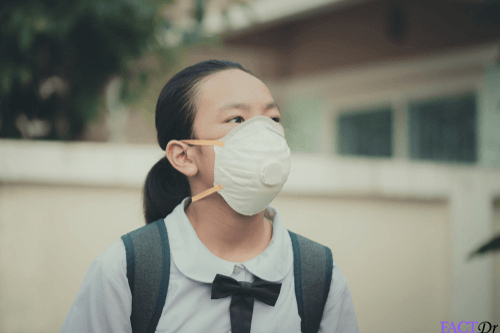 Walking pneumonia is considered atypical pneumonia due to the fact that the cells, causing the infection are resistant to penicillin whereas penicillin is the main choice of drug used to treat typical pneumonia. The symptoms are generally mild compared to typical pneumonia and look like the common cold.
Symptoms may show up two weeks after exposure and can get worse over the course of a month. Symptoms include sore throat, inflammation in the windpipe and branches, persistent dry cough, and headache, which can last longer than a week. Symptoms vary based on which part of the respiratory tract is affected.
An infection in the upper respiratory tract will cause more labored breathing, while infection in the lower respiratory tract, including the lungs, may cause nausea, vomiting, and even an upset stomach. Other symptoms related to walking pneumonia include chills, flu-like symptoms, rapid breathing, wheezing, labored breathing, chest pain, abdominal pain, vomiting, and loss of appetite.
Types of pneumonia
 Hospital-acquired pneumonia: Hospital-acquired pneumonia is also called as healthcare-associated pneumonia or nosocomial pneumonia. Hospital-acquired pneumonia is a lower respiratory infection, which is acquired after a stay at the hospital. It can be serious because the bacteria causing pneumonia can be resistant to antibiotics.
People may acquire hospital-acquired pneumonia when a patient is placed on a breathing machine, when a patient is placed on the tracheostomy tube to help breathe, and when the immune system of the patient is weak from a disease or treatment.
Community-acquired pneumonia: Typical pneumonia can be considered as community-acquired pneumonia when it is acquired by people with limited or no contact with medical institutions or settings. The most commonly identified pathogens associated with community-acquired pneumonia are Streptococcus pneumoniae, Haemophilus influenzae, atypical bacteria (Chlamydia pneumoniae, Mycoplasma pneumoniae, Legionella sp), and viruses.
Symptoms and signs of community-acquired pneumonia include fever, cough, sputum production, pleuritic chest pain, dyspnea, tachypnea, and tachycardia. Vaccines can help protect against the flu virus and certain bacteria that can also cause pneumonia.
Community-acquired pneumonia also includes aspiration pneumonia, which is acquired when a person inhales food, fluid, or vomit into the lungs. People suffering from swallowing problems are more likely to get aspiration pneumonia.
Bacterial Pneumonia: Bacterial pneumonia is an inflammation of the lungs, which is caused by some form of bacteria. There are different types of bacteria which can cause bacterial pneumonia. The bacteria are known to cause the most cases of community-acquired pneumonia in adults. We can acquire pneumonia when someone who is infected coughs or sneezes and the bacteria-filled droplets get into the air and when we breathe them, we get infected.
People who have a weakened immune system have higher chances of acquiring bacterial pneumonia. Others who are more likely to get infected include people suffering from asthma, emphysema, or heart disease. Symptoms of bacterial pneumonia include a cough that brings up mucus, fever over 100.4 F, fast breathing, shortness of breath, chest pain, and fatigue. Treatment includes antibiotics and breathing treatments.
Walking pneumonia: Walking pneumonia is considered atypical pneumonia due to the fact that the cells, causing the infection are resistant to penicillin whereas penicillin is the main choice of drug used to treat pneumonia. The symptoms of walking pneumonia are generally mild compared to pneumonia and look like the common cold.
Symptoms of walking pneumonia may show up two weeks after exposure and can get worse over the course of a month. Symptoms of walking pneumonia include sore throat, inflammation in the windpipe and branches, persistent dry cough, and headache, which can last longer than a week. Symptoms vary based on which part of the respiratory tract is affected.
An infection in the upper respiratory tract will cause more labored breathing, while infection in the lower respiratory tract, including the lungs, may cause nausea, vomiting, and even an upset stomach. Other symptoms related to walking pneumonia include chills, flu-like symptoms, rapid breathing, wheezing, labored breathing, chest pain, abdominal pain, vomiting, and loss of appetite. It spreads when an infected person coughs or sneezes. Antibiotics can treat the infection.
Viral Pneumonia: Viral pneumonia is an infection of the lungs caused by a virus. The most common cause of viral pneumonia is the flu, but people can also get viral pneumonia from the common cold and other viruses. The viruses stick to the upper part of the respiratory system initially and then as they get down into the lungs, the air sacs in the lungs get infected and inflamed, and they fill up with fluid.
Viral pneumonia is the second most common pneumonia affecting people. The symptoms of viral pneumonia are very similar to the flu and include fever, chills, dry cough, which may get worse and make mucus, stuffy nose, muscle pain, headache, tiredness, and weakness. Treatment of viral pneumonia does not include antibiotics since they only work on bacteria and rather a breathing treatment is recommended to ease the lungs and help in breathing.
Fungal Pneumonia: Fungal pneumonia is an infectious process in the lungs, which is caused by one or more endemic or opportunistic fungi. Fungal infection occurs due to the inhalation of spores, inhalation of conidia, or by the reactivation of a latent infection.
Endemic fungal pathogens cause infection in healthy hosts and in immunocompromised persons. Opportunistic fungal organisms tend to cause pneumonia in patients with congenital or acquired defects in the host immune defenses. The diagnosis of fungal pneumonia is difficult and is often diagnosed on a presumptive basis. Diagnosis relies on a combination of clinical, radiological, and microbiological factors.
Complications of fungal pneumonia include disease spreading to other sites such as brain, meninges, skin, liver, spleen, kidneys, adrenals, heart, and eyes. Other complications of fungal pneumonia include sepsis syndrome and blood vessel invasion, which can lead to hemoptysis, pulmonary infarction, myocardial infarction, cerebral septic emboli, cerebral infarction, or blindness.
Types of walking pneumonia
Walking pneumonia is generally acquired by school children and spread them in their homes. Families who contract the infection would exhibit symptoms two to three weeks later and is caused by three types of bacteria.
Mycoplasma pneumonia: Mycoplasma pneumonia is caused by the bacteria called a Mycoplasma pneumoniae, which is a type of atypical bacteria that commonly causes mild infections of the respiratory system. Pneumonia caused by Mycoplasma pneumoniae is milder than pneumonia caused by other germs and the most common type of illness caused by these bacteria, especially in children, is tracheobronchitis, which is commonly called a chest cold. Symptoms include being tired and having a sore throat, fever, and a cough.
Chlamydial pneumonia: Chlamydial pneumonia is caused by bacteria called Chlamydia pneumoniae. Chlamydia pneumoniae cause lung infections. Children who are in school are more likely to be infected with Chlamydia pneumoniae bacterium.
Legionella pneumonia (Legionnaires disease): Legionella pneumonia or Legionnaires a disease is a severe form of pneumonia, which can cause lung inflammation because of the infection. Legionnaires disease cannot be contracted from person-to-person contact and instead, people get Legionnaires disease from inhaling the bacteria. Older adults, smokers, and people with weak immune systems are particularly prone to legionnaires disease. Legionella bacterium can also cause Pontiac fever, which is a milder illness similar to flu. The untreated Legionnaire’s disease can be fatal and prompt treatment with antibiotics is a must.
What are the risk factors?
Following are the risk factors associated with developing walking pneumonia:
- People who are over the age of 65 years old
- Patients living with a respiratory condition such as chronic obstructive pulmonary disease (COPD)
- People who smoke tobacco
Diagnosis of walking pneumonia
There are a number of ways to diagnose walking pneumonia and one of the ways a doctor can confirm the diagnosis of walking pneumonia is by ordering a chest x-ray. A chest x-ray can determine the difference between pneumonia and other respiratory illnesses, such as acute bronchitis. When we visit a doctor because of the symptoms, the doctor may follow a standard routine to diagnose which include:
- Perform a physical exam.
- Ask about the overall health and medical history.
- Ask about the symptoms.
- Conduct other tests to diagnose for pneumonia.
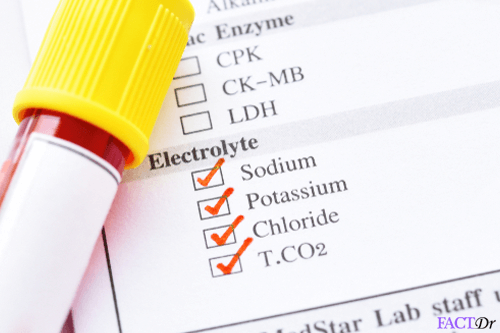
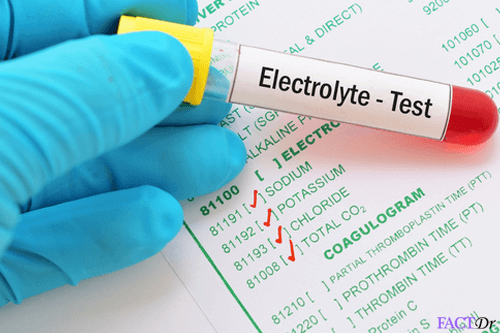
Some laboratory tests are also undertaken to diagnose pneumonia and include:
- A culture of mucus from the lungs, which is called sputum.
- A sputum gram stain study.
- A throat swab.
- A complete blood count (CBC).
- Tests for specific antigens or antibodies.
- Blood culture.
Treatment for walking pneumonia
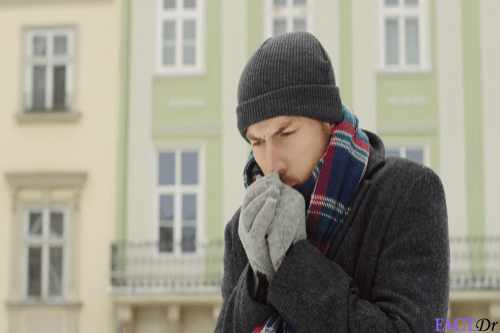 Some of the treatment for walking pneumonia includes home treatment, medical treatment, and in severe cases hospitalization.
Home Treatment: Walking pneumonia can be treated at home. Some of the measures which can be taken to manage walking pneumonia include:
- Reduce fever by taking acetaminophen or ibuprofen.
- Avoid cough suppressant medicine as it may make it harder to make you cough productively.
- Drink lots of water and other fluids.
- Get as much rest as possible.
Walking pneumonia is considered contagious and a person can typically infect others during the 10-day period when his or her symptoms are most severe.
Medical treatment: Due to the persistence of symptoms, we need to consult a doctor and the doctor generally prescribes antibiotics based on the type of bacterium that is causing pneumonia. The doctor will prescribe antibiotic therapy only if a person is diagnosed with bacterial pneumonia.
Hospitalization: Patients suffering from severe atypical pneumonia due to Legionella pneumophila requires hospitalization for antibiotic therapy. Hospitalization is required when a person is found to have an infection from high-risk groups. During the stay at the hospital, patients receive antibiotic therapy, intravenous fluid, and respiratory therapy.
Help Others Be Fit
Related Conditions
Trending Topics
















































































































































About
Related Conditions


Subscribe to free FactDr newsletters.
REVAMP YOUR
LIFE
HEALTH
WELLNESS

If you're enjoying our website, we promise you'll absolutely love our new posts. Be the first one to get a copy!
Get factually correct, actionable tips delivered straight to your inbox once a week.
We hate spam too. We will never share your email address with anyone. If you change your mind later, you can unsubscribe with just one click

By clicking Subscribe, I agree to the FactDr Terms & Conditions & Privacy Policy and understand that I may opt out of FactDr subscriptions at any time.
×
How can we improve it?
×
Happy to know you loved our article!
Did it give you information that you used / can use in your life?