Targeted Drug Therapy
Last Updated October 31st, 2023
What is targeted drug therapy?
Targeted drug therapy is a type of cancer treatment that uses drugs with a high level of precision to target particular proteins and genes responsible for the growth and survival of cancer cells.
Targeted therapy looks for proteins, enzymes, gene mutations, and other characteristics responsible for cancer growth.
Targeted therapy targets cells associated with cancer growth, including blood vessels. They may also interfere with the tissue environment that supports the growth of cancer cells.
Targeted therapy can be used as a standalone treatment or in combination with other treatments like chemotherapy.
Some cancers that are treated using targeted therapy include colorectal cancer, breast cancer, and lung cancer.
How does targeted drug therapy work?
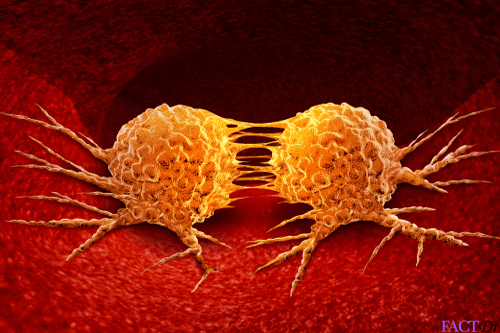
 Cancer develops after a change or transformation of healthy cells in a process called genetic mutation.
Genes relay information to cells on how to make proteins. After genetic mutation, it means the proteins get altered as well. It causes rapid cell division.
Such mutated cells grow uncontrollably. They also outlive normal cells and may develop into tumors.
Targeted therapy involves the identification of particular genetic alterations that can aid in tumor change and growth.
Targeted therapy drugs focus on specific targets. After reaching their target, targeted therapy drugs will:
Boost your immune system – Cancer cells are very evasive and this can deceive your immune system. Specific targeted therapies mark cancer cells. That means your immune system can easily identify and destroy cancer cells.
Some targeted therapies act as an immune system. That way, your immune system is better able to fight cancer.
Switch-off signals involved in the formation of new blood vessels: The formation of new blood vessels is necessary for tumor growth.
The process that forms new blood vessels is called angiogenesis. A tumor relays signals that initiate angiogenesis. This process can be counteracted by administering angiogenesis inhibitors.
These targeted therapies avoid the formation of new blood vessels and so the tumor does not grow in size.
Alternatively, angiogenesis inhibitors may trigger the death of blood vessels already formed.
When no blood vessels feed a tumor, it will shrink.
Transporting radiation and chemotherapy drugs to cancer cells: Certain monoclonal antibodies are administered alongside cancer treatment like radiation and chemotherapy.
This is achieved because monoclonal antibodies bind to targets on the wall of cancer cells.
Monoclonal antibodies also deliver toxins from the drugs and only destroy the target cells.
Interferes with the production of hormones – Certain cancers such as prostate or breast cancer depend on specific hormones for their growth.
Some hormone therapies interfere with the activity of hormones in cancer cells. Other hormones interfere with the manufacturing of certain hormones in your body.
Accelerate the death of cancer cells: Once healthy cells have outlived their usefulness or get damaged, they usually die in an orderly way.
With cancer cells, however, these have the potential to evade the orderly dying process. Certain targeted therapies may initiate the death of cancer cells in a process called apoptosis.
Types of targeted drug therapy
The most common forms of targeted therapies are:
Small-molecule drugs
These drugs work by attaching or binding to particular targets on cancer cells. This can either kill cancer cells or hinder the growth of cancer cells.
A good example of small-molecule drugs is Angiogenesis inhibitors These drugs interfere with the formation of new blood vessels, starving tumors from accessing nutrients.
Monoclonal antibodies
These are lab-manufactured therapeutic antibodies that bind to particular targets on cancer cells.
Monoclonal antibodies work by initiating the self-destruction of cancer cells. They can also arrest the growth of cancer cells directly.
Monoclonal antibodies help to transport toxic substances to cancer cells. For instance, they may assist with radiation therapy or chemotherapy.
In certain cancer treatments such as immunotherapy, monoclonal antibodies assist your immune system in identifying cancer cells easily and hence destroying them.
Monoclonal antibodies can also assist with the transportation of radioactive substances and chemotherapy agents for tumor treatment.
What are the types of cancers treated using targeted drug therapy?
Targeted therapies treat different cancers. The main forms of cancer treated using targeted therapies include:
- Breast cancer – Examples include hormone receptor-positive breast cancer and BRCA gene mutation breast cancer
- Blood cancer including lymphoma and leukemia
- Cancers of the digestive system like stomach cancer, colon cancer, and pancreatic cancer
- Examples of brain cancer include neuroblastoma and glioblastoma
- Neck and head cancer such as oropharyngeal cancer
- Soft tissue sarcomas and other cancers of the bone and soft tissues
- Cancer of the urinary tract such as prostate cancer and cancer of the bladder
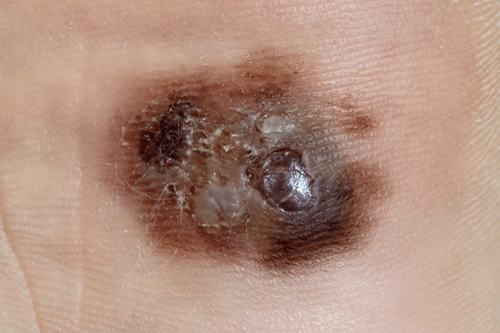
- Melanoma and other forms of skin cancers
- Cancer of the reproductive system, including endometrial cancer and cervical cancer
- Targeted therapy may not treat all forms of cancers
In deciding whether you need targeted therapy, your oncologist will be guided by the following:
- The stage of cancer
- The type of cancer
- Whether you have had other forms of cancer treatment
Tests to find targets in targeted cancer therapy
Before your doctor can determine if targeted cancer therapy is the most appropriate treatment for your cancer, he or she will first need to identify the targets.
Certain tests assist oncologists in identifying the DNA mutation that is influencing cancer behavior. The main tests you are likely to undergo include:
Pathology tests
Your pathology will be interesting in examining blood, tissue, and blood samples.
In conducting these pathology tests, the pathologist is interested in identifying excess protein in cancer cells as these would be potential targets for targeted therapy.
The pathologist may also be interested in identifying whether chromosomes in cancer cells have any abnormalities.
Advanced genomic testing
A tumor is scanned to reveal its genetic profile. The goal is to identify particular mutations that can promote tumor growth.
Once a specific mutation has been located, the oncologist will administer a particular drug therapy that matches it with that mutation.
Genetic testing
Genetic testing aims to check for any hereditary gene mutation associated with the cancer.
What are the common target therapies in use?
The following are some of the target therapies available:
- Apoptosis inducers – Our bodies eliminate cells through a process called apoptosis. Cancer cells find their way around this process and may not get destroyed. Apoptosis inducers counteract the behavior of cancer cells leading to their death
- Hormone therapy – These counteract how hormones work. Hormone therapy may also send signals to the body to stop hormone production
- Gene expression modulators – these interfere with the action of proteins involved in gene regulation
- Signal transduction inhibitors – They alter cancer cell behavior by counteracting cell signals
- Immunotherapies – This target therapy triggers the immune system to initiate an attack on cancer cells. They do so by identifying particular chemicals on the walls of cancer cells
Procedure during targeted drug therapy
 Before targeted therapy, your healthcare provider will have conducted several tests, including blood work and physical examinations to determine whether this is the most effective treatment for your cancer.
If you have concerns about the safety and possible side effects of targeted drug therapy, talk to your healthcare provider about it.
Check with your healthcare provider if you require anything as part of your preparation for the treatment. For instance, your doctor may recommend vaccination.
Targeted therapy can be administered at home, at a clinic, at your doctor’s office, or in an outpatient department in the hospital.
Explore with your healthcare provider which of those choices is the most convenient for you.
Targeted therapy frequencies depend on:
- Type of targeted therapy
- Type and stage of cancer
- Your immune system and reaction to treatment
Treatment can be done on a daily basis, weekly, or monthly.
Your healthcare provider may decide to administer targeted therapies in cycles.
You will receive treatment and then rest for some time to promote the growth of new healthy cells. It also assists with your recovery.
Targeted therapy may be received in one of the following ways:
- Injection – Targeted therapy drugs may be delivered under the skin, vein, or muscle using a needle
- Orally – Targeted therapy drugs in the form of liquid or capsules are also available. These are primarily small-molecule drugs
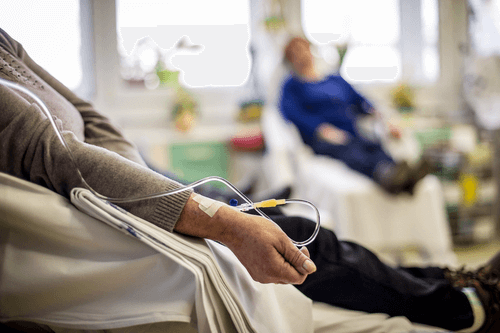
- Infusion – An IV drip can also be used to deliver targeted therapy drugs intravenously
- After targeted drug therapy
Your healthcare provider will schedule regular visits to help him or her closely monitor your progress with target therapy.
Such visits may involve computed tomography (CT) scans and X-rays among other tests that will help your healthcare provider determine whether the targeted therapy is functioning as it ought to.
This is also an opportunity for you to inform your healthcare provider of any side effects from treatment and how you are coping with such.
Targeted drug therapy has proven to be an effective treatment. However, targeted therapy may not always work for the following reasons:
- The therapy may not have the desired effect on a particular tumor. This could be because the tumor does not require the substance in question for growth
- The tumor lacks the target where the drug can attach
- Some tumors are not reactive to therapy
Benefits of targeted drug therapy
Targeted drug therapy for treating cancer is associated with the following benefits:
- Increased success rate – Targeted therapies are associated with a greater chance of successful treatment. These treatments target the mutations for a specific type of cancer directly. This kind of drug affects cancer cells alone while healthy cells remain intact. With targeted therapies, the risk of cancer recurrence is minimized
- Side effects are fewer and less severe – targeted therapists are better than standard radiotherapy or chemotherapy treatment owing to the reduced frequency and severity of drug-related side effects
- The overall dosage for targeted therapies is less compared to that of chemotherapy
Other benefits include:
- Prevent the formation of new blood vessels that tumors can feed on and grow
- Cause change in protein structure of cancer cells resulting in their death
- Switch off or shield signals that alert cells to multiply or grow
Side effects
Each of the targeted drug therapies causes certain specific side effects, the most common side effects of targeted therapy are:
- Changes of nails
- Skin rash
- Fatigue
- Increased liver enzymes
- Interference with blood clotting and wound healing
- Changes in heart rhythm
- Neurologic changes
Recovery after targeted drug therapy
Some side effects last for the entire duration of your treatment. Some people are more affected by target therapy side effects than others.
For most people, side effects subside after a few months of treatment.
The following guidelines are useful in helping you recover quickly after targeted therapy:
- Make sure you eat a balanced diet with lots of minerals and vitamins
- Take plenty of rest after targeted therapy to recover from the fatigue of the procedure
- In case of a fever over 101°, contact your doctor immediately
Cost of targeted drug therapy in India
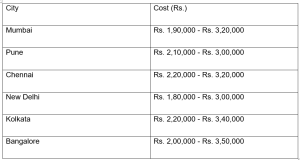
The cost of targeted therapy in India ranges between Rs. 1,80,000 and Rs. 3,50,000. The difference in cost is due to the following factors:
- Treatment duration
- The cost of diagnostic tests
- Consultation fee
- Whether the treatment is covered by health insurance
- Whether you are receiving extra supportive medication
- Geographical location of the healthcare facility
- Whether there was any adverse monitoring and management involved during treatment
The table below summarizes the cost of targeted therapy in selected cities across India:
In choosing a healthcare facility in India for targeted therapy, consider the following:
- Therapeutic and advanced diagnostic tools available
- Whether the healthcare facility has received the accreditations and quality certifications for offering targeted therapy
- Qualifications and experiences of surgeons and a team of doctors
- The assistance available to international patients, including transportation and visa processing
Help Others Be Fit
Why Us?



Tired of living with your illness? Is your problem interfering with your daily life tasks whether it be going to office or just having a fun time with your kids?
Don't wait anymore and get yourself treated fast and by the best doctors with goficure today!
Our experts in piles tratment
We are an elective surgery platform and advise the best course of treatment for you. However, the final decision to accept the recommended treatment will always be yours

Dr. Sejuti Akter
Gynecologist specialist, USA
General hospital
-
 Certified Specialist
 -
 14 years of experience

Dr. James John
Gynecologist specialist, USA
General hospital
- Certified Specialist
- 14 years of experience

Dr. Klara Faust
Cerified Psychiatrist, USA
General hospital
- Certified Specialist
- 8 years of experience
Stop your suffering NOW
Don't just jump into a surgery because your doctor is advising you to go for it. Consult our doctors to know if you need a surgery at all. Rest assured, we WON'T recommend you surgery unless it's the last resort.